websites
The 7 C's of Website Design: What Every Business Owner Should Know

The short answer
The 7 C's are context (layout and look), content (what the site says), community (how visitors connect with each other), customisation (tailoring to each visitor), communication (how you talk with visitors), connection (links to other sites and platforms) and commerce (how people take action or pay). Use them as a checklist before you build or redesign a website.
Questions this article answers
Before I design a website, I run through a simple checklist called the 7 C’s. The framework comes from research into customer-facing websites by Jeffrey Rayport and Bernard Jaworski, and it still works well as a plain-language way for business owners to judge a site.
What are the 7 C’s of website design?
1. Context: does it look right and work everywhere?
Context is the layout, look and feel. It’s the first impression.
- Does it work well on a phone? Most visitors in Kenya will see your site on mobile first.
- Does it load quickly on mobile data?
- Is the navigation obvious within five seconds?
- Does it look like your brand, with the same colours and fonts as your posters and social media?
2. Content: does it answer visitors’ questions?
Content is everything the site says and shows: text, photos, videos and downloads.
- What do you do, who for, and where?
- What does it cost, or how do I get a quote?
- What proof do you have, such as photos, results, testimonials and past work?
Good content is also what search engines rank (see Is SEO Still Worth It?).
3. Community: can visitors connect with each other?
Community means features where users interact, such as comments, reviews, forums and member areas. Many small sites don’t need this, but reviews and testimonials are a light form of community worth adding.
4. Customisation: does it adapt to different visitors?
Customisation is tailoring the site to each visitor. On large platforms that means personalised recommendations. For a small organisation it can be as simple as clear paths for different audiences, for example “Parents”, “Students” and “Alumni” on a school site.
5. Communication: can people reach you easily?
Communication covers how the site talks with visitors, and how they talk back.
- a visible phone number and WhatsApp button (essential in Kenya)
- a short contact form that actually reaches you
- newsletter sign-ups or announcements, if you’ll use them
6. Connection: does it link to the rest of your world?
Connection is how your site links out to other sites and platforms, and how they link back:
- links to your social media, and social media linking back
- listings in Google Business Profile and partner sites
- links to relevant resources your audience values
7. Commerce: can visitors take action?
Commerce traditionally means selling online, but for most organisations it means the main action you want visitors to take: book, enquire, apply, register, donate or buy. Make that action obvious on every page.
How do I use the 7 C’s to plan or review my website?
Score your current site from 1 to 5 on each C. Then fix the lowest scores first. In my experience, small organisations get the biggest wins from:
- Context: a fast, mobile-first design
- Content: clear answers to the top ten customer questions
- Communication: WhatsApp and contact details visible everywhere
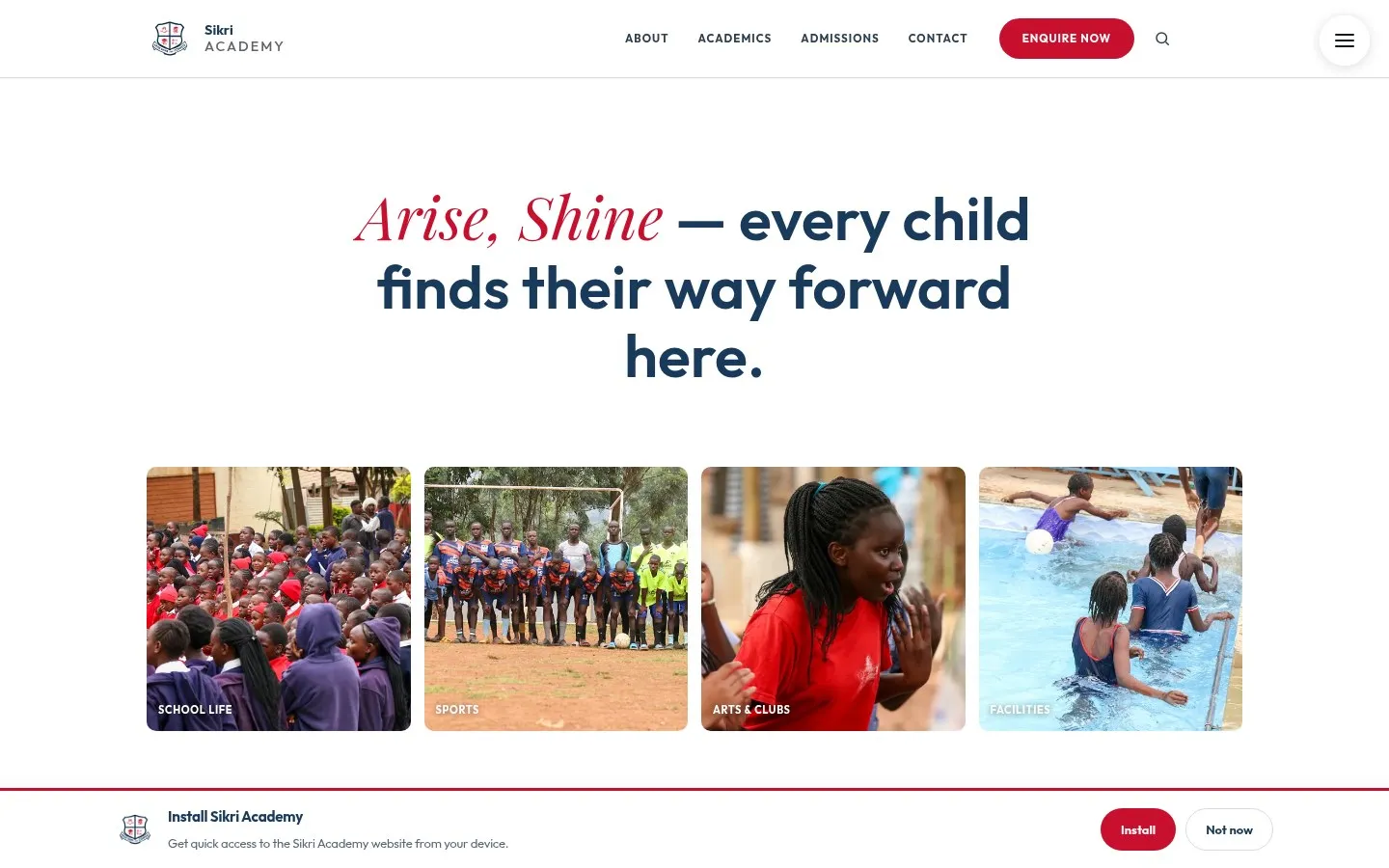
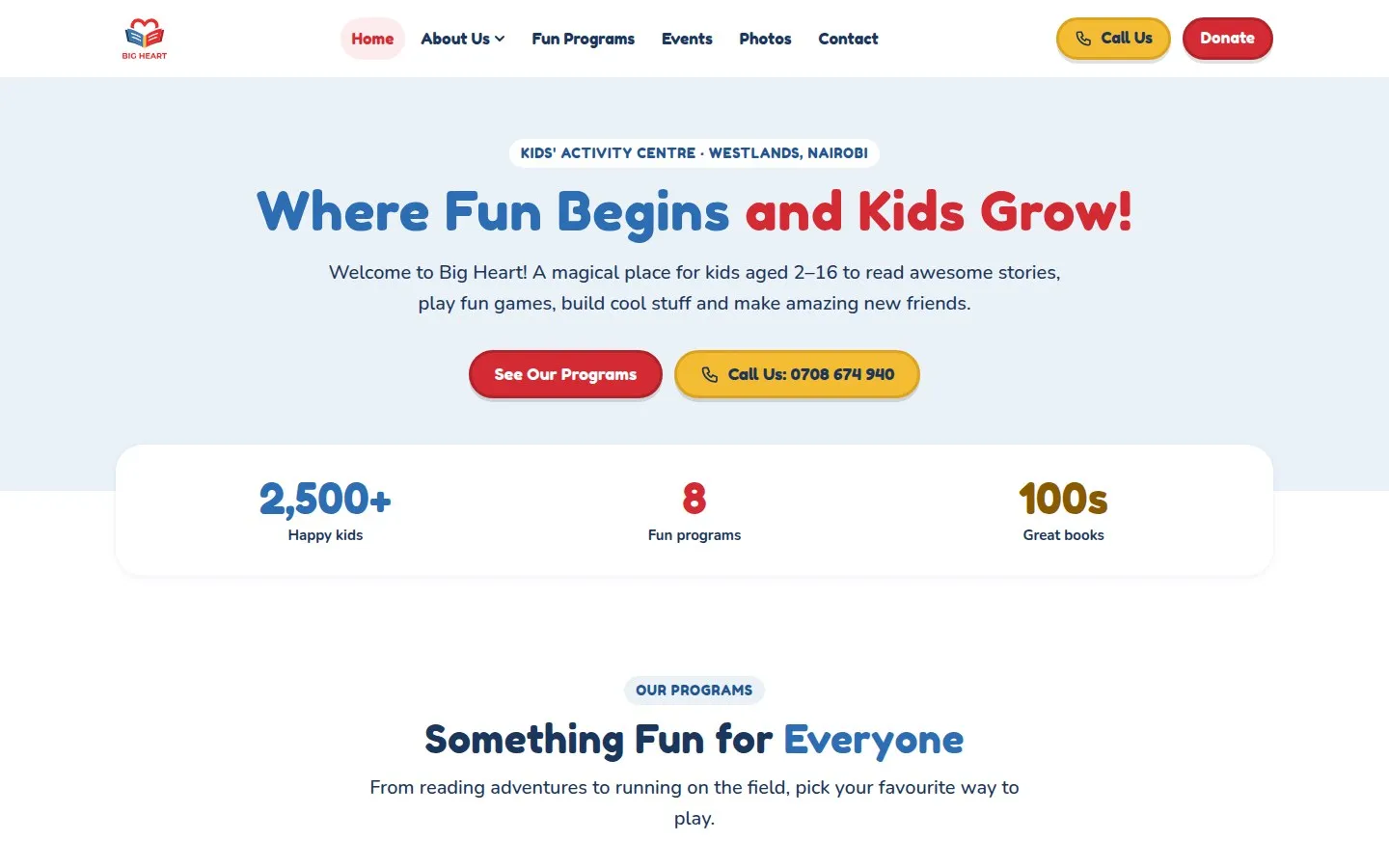
For example, the kids’ activity centre site I built focuses on context (bright, family-friendly design), content (programme pages and helpful blog posts) and commerce (clear calls to visit and book). A music production house site leans on context, with a dark, studio-inspired look that tells visitors what the brand is about before they read a word.
Want a second opinion on your website? Send me the link and I’ll point out the biggest improvements.
See It in Practice

Frequently Asked Questions
What are the 7 C's of website design?
Context, content, community, customisation, communication, connection and commerce. The framework comes from e-commerce research by Jeffrey Rayport and Bernard Jaworski and is widely used to plan customer-facing websites.
Which of the 7 C's matters most for a small business?
Context, content and communication. A clear, fast, mobile-friendly design, content that answers customers' questions, and an easy way to contact you deliver most of the value.
Do I need e-commerce to use the commerce C?
No. For most organisations, commerce simply means the action you want visitors to take, such as enquiring, booking, registering, applying or donating.
Keep Reading
Is SEO Still Worth It in 2026? SEO vs Social Media for Business Growth
Whether SEO is still worth investing in, whether to focus on SEO or social media, and how the two channels support each other for Kenyan businesses, schools and churches.
Answers 3 questions
How Often Should You Post on Social Media? The 5-5-5 and 80/20 Rules Explained
A practical posting frequency for small businesses, schools and churches, the 5-5-5 rule, the 80/20 rule, and how much of your content should be sales posts.
Answers 4 questions
Do You Need Both a Website and Social Media Management?
Why websites and social media do different jobs, whether your web designer can run your social media, and why using the same designer for both keeps your brand consistent.
Answers 3 questions