graphic design
How to Brief a Graphic Designer for Your Social Media Campaign

The short answer
A good brief tells the designer the goal, the audience, the exact text, the sizes needed, the deadline and any must-use brand elements, with one or two examples you like. Send it all at once, in writing, with photos and logos attached. Most delays and extra revisions come from missing or changing information, not from the design itself.
Questions this article answers
Most “difficult” design jobs aren’t difficult because of the design. They’re difficult because the brief arrived in seven WhatsApp messages over three days, and the date changed twice. A clear brief gets you better work, faster, with fewer revisions.
How do I brief a graphic designer for a social media campaign?
Send one message or document with everything in it. Use this template:
CAMPAIGN: Youth Conference 2026
GOAL: Get 300 registrations by 15 March
AUDIENCE: University students and young adults, 18–30
KEY MESSAGE: Three days of worship, teaching and friendship
TEXT (final):
  - Title: Arise 2026
  - Date: 20–22 March 2026
  - Venue: …
  - Speakers: …
  - Call to action: Register at … / WhatsApp …
PIECES NEEDED:
  - 1 main poster (feed 4:5 + story 9:16)
  - 3 speaker cards
  - 1 countdown post, 1 "today" post
BRAND: logo attached, colours: green and gold
PHOTOS: speaker portraits attached (high resolution)
REFERENCES: 2 posters we like (attached) and why
DEADLINE: first draft by Friday, final by Wednesday
APPROVER: Pastor … (one person gives final feedback)
What should a design brief include?
The essentials, and why each matters:
- Goal: what success looks like (registrations, attendance, enquiries). It shapes the call to action.
- Audience: who it’s for. Designing for parents is different from designing for students.
- Final text: checked and approved. Changing text after design is the number one cause of delays.
- Sizes and formats: feed, story, WhatsApp status, print. Saying so upfront avoids redesigns.
- Brand assets: logo files (ideally PNG with a transparent background, or vector), colours and fonts.
- Photos: the highest quality you have. Screenshots of WhatsApp photos print badly.
- References: one or two examples you like, and why you like them.
- Deadline: with a buffer for revisions.
- One approver: feedback from five people at once leads to designs nobody likes.
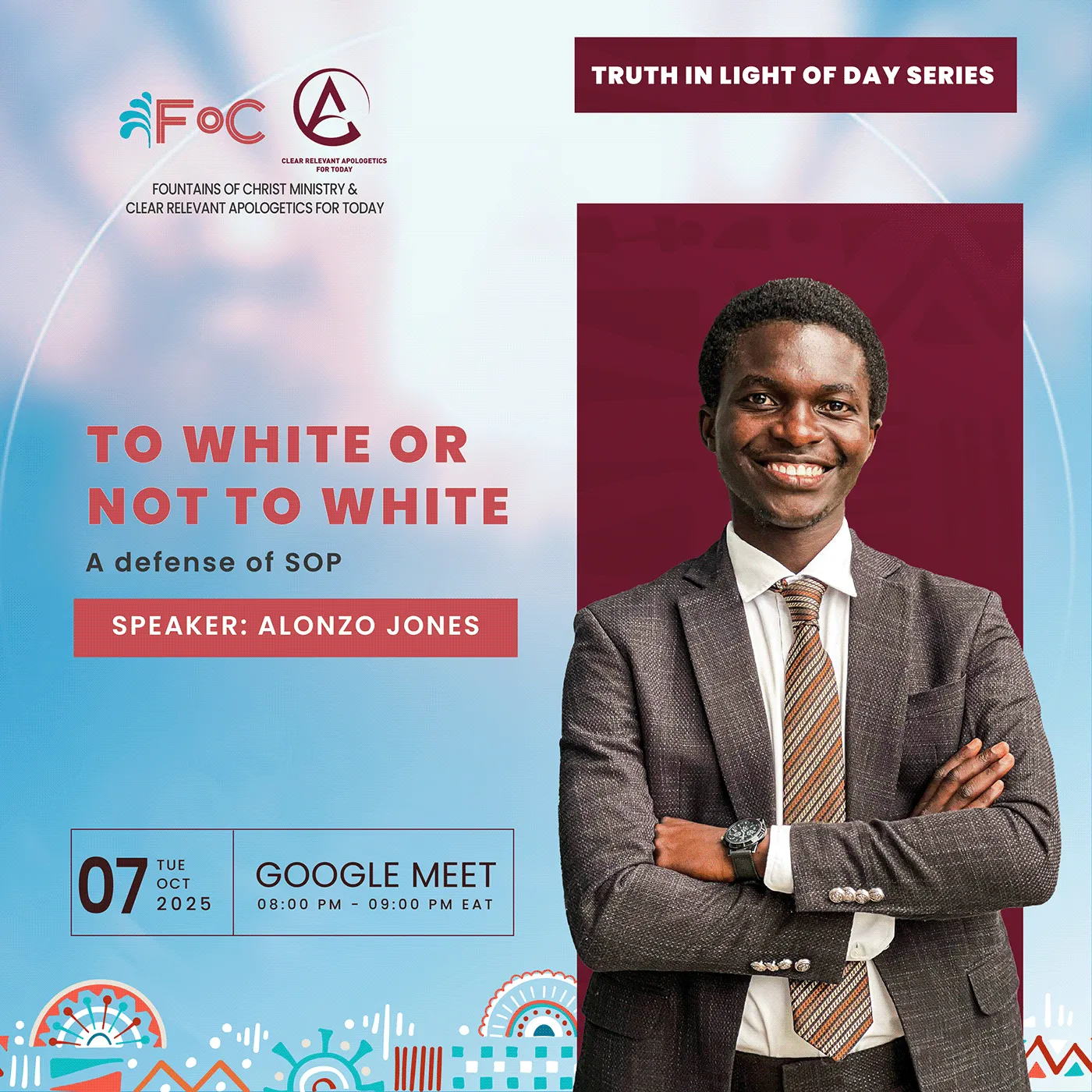
For the Truth in Light of Day series, every speaker’s name, topic, date and portrait was confirmed upfront. That made it possible to build one grid and produce each poster quickly and consistently.
Giving feedback that helps
- Be specific: “make the date bigger” beats “make it pop”.
- Group your feedback into one message per round.
- Say what’s working too, so it doesn’t get changed.
What skills should my graphic designer have for social media posts?
Look for:
- Layout and typography that work on a small phone screen
- Brand consistency: the ability to build and follow templates
- Platform knowledge: sizes, safe zones and how each platform crops images
- Photo editing: cut-outs, colour correction and retouching
- Basic motion and video: short animated posts and reels are increasingly expected
- Print awareness, if posts will also become banners or flyers
- Communication: asking the right questions before starting
A designer who works this way will often build a system for a whole campaign rather than designing every post from scratch, which saves you time and money.
Have a campaign coming up? Send me your brief using the template above.
See It in Practice
Frequently Asked Questions
What should I include in a design brief?
The goal, the audience, the final text, required sizes and formats, the deadline, brand files such as logos and colours, photos, and one or two reference examples.
How far in advance should I brief a designer?
For a single post, give two to three working days. For a campaign or event poster set, give one to two weeks so there's time for concepts and revisions.
What skills does a social media designer need?
Strong layout and typography, brand consistency, knowledge of platform sizes, basic photo editing and motion or video skills, and the ability to design for small phone screens.
Keep Reading
Graphic Designer vs Social Media Manager: Which Does Your Business Need?
What a graphic designer does, what a social media manager does, where the roles overlap, and how to tell which one your business needs first.
Answers 5 questions
Should You Hire One Person for Graphic Design and Social Media?
When one multi-skilled designer can run your design and social media, when you need two people, and how to find someone who understands both design and marketing.
Answers 8 questions
How to Get Great Social Media Design Without Burning Out Your Designer
Build social media content with a designer but no marketer, plan a strategy together, use templates, tools and AI wisely, and avoid the common mistakes of asking designers to do marketing.
Answers 8 questions